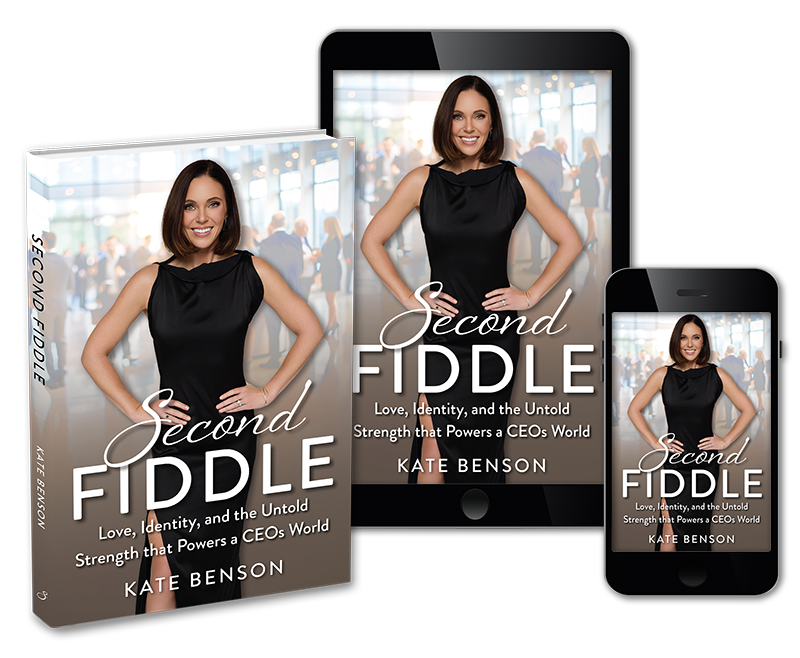
“Second fiddle” is one of those phrases people use casually, without thinking too hard about what it actually implies. Most people hear it as coming in second. For being less important. For standing slightly off to the side while someone else takes the lead.
No one grows up aspiring to that role. The phrase itself carries a quiet insult, as if the person playing second simply didn’t have what it took to be first. But that interpretation misses the point.
In real life, playing second fiddle rarely looks like failure. More often, it looks like capability paired with restraint. Strength paired with discretion. Someone fully aware of what they could do—choosing instead to do what’s needed.
It’s Not About Talent—It’s About Position
The biggest misconception about second fiddle roles is that they reflect a lack of ambition or ability. In reality, the opposite is often true.
Many people in these positions are highly competent, deeply driven, and more than capable of leading. They understand systems. They see around corners. They know how to step forward, but also when not to.
Second fiddle is less about hierarchy and more about positioning. About proximity to pressure. About where decisions are shaped, where consequences land, and who absorbs the weight when things don’t go according to plan.
Sometimes the most strategic move isn’t stepping into the spotlight, it’s stepping slightly to the side. That’s not weakness. That’s awareness.
The Work No One Sees
What defines second fiddle roles isn’t what’s visible—it’s what isn’t.
It’s the offstage conversations. The emotional calibration before a big decision. The quiet course-corrections no one ever knows were necessary. The steady presence that keeps momentum intact when uncertainty creeps in.
This kind of work doesn’t come with applause. There are no titles for it, no metrics that fully capture its value. It lives in tone, timing, and judgment.
Often, it means being the person who stays steady so someone else can take risks. The one who holds context while others focus on speed. The one who absorbs stress rather than amplifies it. Not because they have to, but because they know how.
Why Strong Leaders Don’t Do It Alone
There’s a popular myth, especially in entrepreneurial culture, that strong leaders operate alone. The lone founder. The decisive CEO. The singular vision driving everything forward.
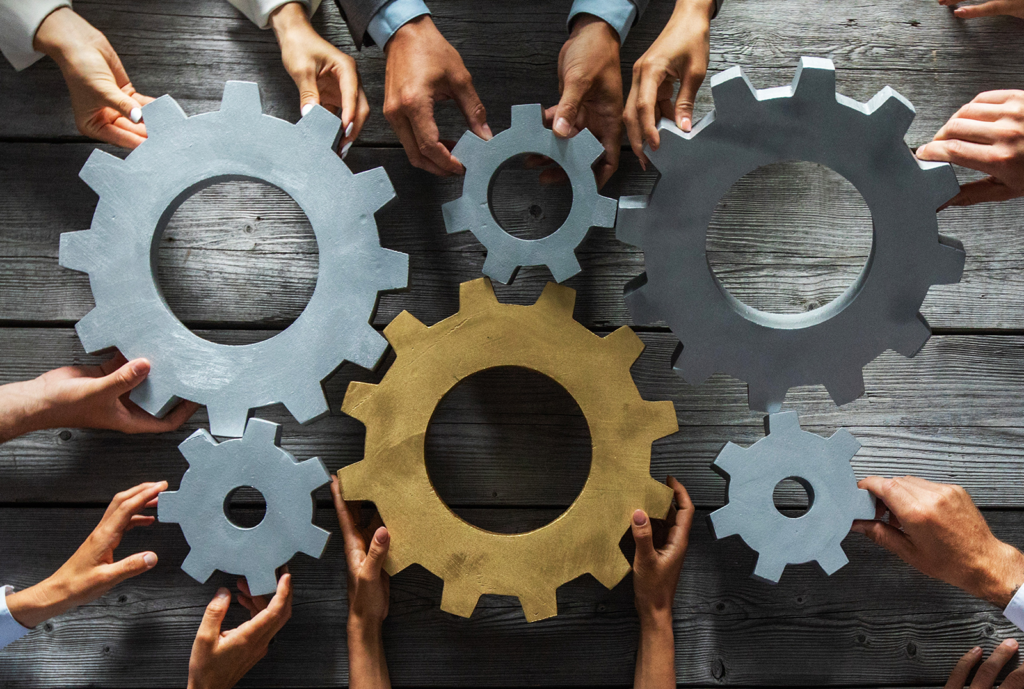
In reality, most effective leaders don’t function in isolation. Momentum at scale almost always involves someone close enough to see the cracks before they show—and trusted enough to speak when they do. Second fiddle roles often exist in that intimate distance.
They’re close to decision-making without being clouded by visibility. Close enough to understand the pressure, far enough to maintain perspective. This allows for honest feedback without performance.
For leaders, that’s not a luxury, it’s a safeguard. Strong leadership doesn’t require competition behind the scenes. It requires complement. Someone willing to operate outside the spotlight so the spotlight doesn’t become blinding. That role isn’t secondary. It’s structural.
Redefining the Term
Second fiddle isn’t second place. It’s a role built on trust, restraint, and influence. One that shapes outcomes long before they’re visible. One that steadies momentum before it tips into chaos. It’s strength without spectacle. Influence without ego. Power without performance. And when understood on its own terms, it’s not a consolation role at all.
In a world that equates success with visibility, playing second fiddle asks a different question:
What if influence matters more than applause?